


Most cases of unpleasant pain in the lumbar region and spine are associated with diseases such as osteochondrosis.It affects about 40% of men and women aged 30-40 and about 90% of the elderly.Therefore, the earlier the disease is diagnosed, the more carefully the patient is examined, the higher the chance of stopping the development of osteochondrosis and maintaining activity in old age.
Definition of disease, cause of disease
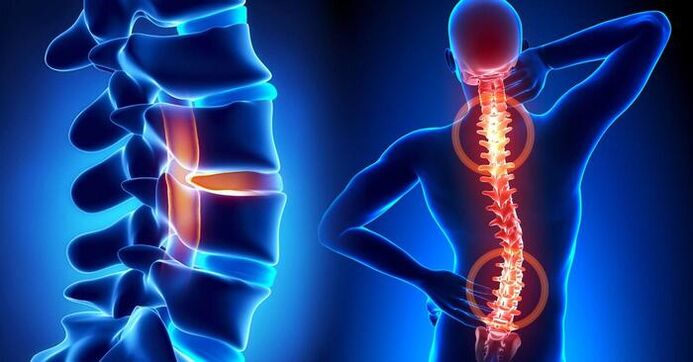
So, what is osteochondrosis, where does it develop, what structures are affected, what are the treatment methods?This disease affects the spine and the tissue between the vertebrae and is expressed in the violation of shape, density, elasticity, and sometimes even integrity.As a result, the distance between the vertebrae decreases, the spinal column gradually loses stability, nerves are pinched and hernia formation can develop, which is accompanied by back pain and discomfort during movement.
To briefly explain the essence of osteochondrosis, it is a gradual abrasion of the intervertebral disc tissue (cartilage), which leads to instability of the spine.In the absence of treatment, ligament and joint degradation develops, osteophytes appear, posture is disturbed, and movement is accompanied by pain.
Causes of osteochondrosis of the spine:
- inactive lifestyle with lack of muscle load;
- spinal cord injury;
- systematic intense load on the spine;
- descent;
- overweight;
- hypothermia;
- hormonal and autoimmune diseases;
- toxic poisoning;
- congenital connective tissue deficiency;
- psychosomatic reasons (stress, depression, etc.).

Symptoms of osteochondrosis
The disease is characterized by periods of remission and exacerbation with varying degrees of severity of symptoms.The main symptoms of osteochondrosis of the spine, characteristics of the main types of the disease, lumbar, cervical and thoracic:
- localized pain in a specific area of the spine;
- referred pain syndrome associated with damage to nearby musculoskeletal tissue;
- myelopathy and radiculopathy, which arise from compression of the nerve endings of the spinal cord and blood vessels.
Depending on the part of the spine affected by the disease, the list of symptoms of osteochondrosis may vary.Namely: the patient noted tingling in the muscles, numbness in the limbs, other sensory disturbances, decreased strength in the arms and legs, attacks of headaches and heartaches, backaches.
Pathogenesis of osteochondrosis
Before the elastic fibrous core of the intervertebral disc begins to lose elasticity and deform, several processes that indicate osteochondrosis occur in the human body:
- spasms, dystonia, inflammation;
- decreased blood circulation;
- damage to nerve cell processes.
Next, a crack appears in the deformed fibrous ring, a disc protrusion develops, and a hernia is formed.Usually, predisposing factors for such spinal diseases develop in childhood or adolescence and are often caused by poor posture, scoliosis, sports injuries, infectious diseases or congenital vascular pathology.
Stages of osteochondrosis
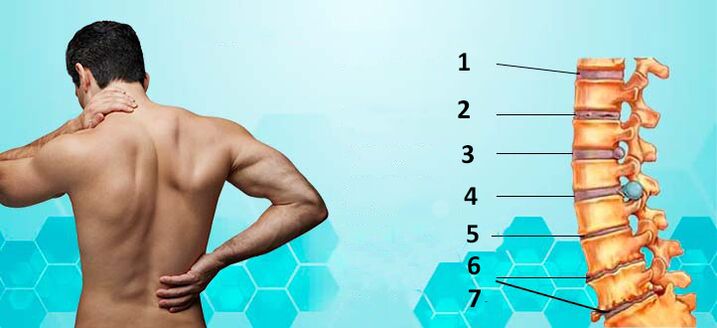
There are three stages of development of osteochondrosis of the spine:
- the first, where the intervertebral disc begins to decrease in height, acquires a flat shape, loses moisture, elasticity, and can bulge;
- the second develops in the absence of treatment and is shown by the violation of the structure of the fibrous ring of the vertebral disc, the appearance of cracks and the development of instability of certain areas of the spine;
- characterized by intervertebral cartilage breakdown, hernia development, and osteophyte bone process formation.
Symptoms of the development of osteochondrosis of the spine become more intense from the first to the third stage.
Classification of osteochondrosis
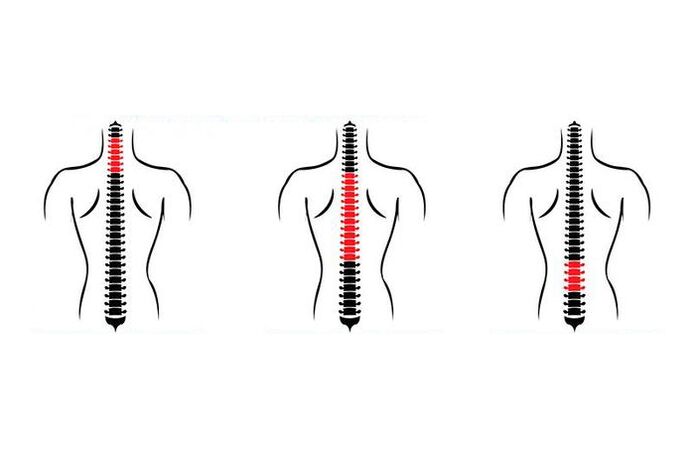
The classification of osteochondrosis is based on several signs, the main one being the localization zone.there are:
- lumbar osteochondrosis;
- cervical spine osteochondrosis;
- osteochondrosis of the thoracic spine.
Osteochondrosis in the lumbar spine is manifested by pain in the lumbar region, which increases when turning the body or lifting heavy objects.The pain can radiate to the leg or both legs and is characterized as aching.In cases of severe syndrome, a hernia is suspected.With lumbar osteochondrosis, spasms in the leg muscles and peeling of the skin often occur.
With the development of osteochondrosis of the spine in the cervical region, vertebrae 1-7 are affected.This disease is accompanied by a headache in the back of the head, pain in the neck, collarbone, and shoulders.There may be a throbbing sound when turning the head, numbness in the upper body, and a lump in the throat.
With osteochondrosis of the spine in the thoracic region, the patient is disturbed by pain in the chest, shoulders, armpits, and heart.There may be a feeling of difficulty breathing and the development of attacks of intercostal neuralgia.
Osteochondrosis in the lumbar spine is the most common, in the thoracic spine it is the rarest.
Complications of osteochondrosis
If the patient thinks about treating osteochondrosis too late, when the symptoms of the disease are expressed, the following complications may develop:
- intervertebral hernia;
- spinal cord stroke;
- kyphosis of the spine;
- protrusion;
- radiculitis;
- lower limb paralysis.
In the absence of treatment, patients begin to experience frequent exacerbations, which are characterized by increased pain that prevents movement and dramatically worsens general well-being.The most devastating complication of osteochondrosis of the spine is disability.Therefore, to avoid serious changes in the function of the musculoskeletal system, high-quality and timely treatment of osteochondrosis is required.

Diagnosis of osteochondrosis
Diseases such as osteochondrosis are mainly pain in the spine.But it is important to distinguish it from pain caused by problems unrelated to intervertebral disc degeneration.To do this, the doctor carries out a step-by-step diagnosis, which includes:
- History taking, which involves a conversation between the specialist and the patient to identify the exact area of pain localization and the factors that trigger the deterioration of the condition.It is important to know the occupation of the patient, the period when the problem with the spine began, when there was an aggravation, the type of pain in the lumbar and other parts that occurred, what treatment methods were used by the patient.
- Physiological examinationallows you to determine the proportions of the body, the quality of movements and actions performed, the condition of the skin, and the level of pain sensitivity.Doctors use palpation to determine the condition of muscle tissue, the presence of compaction, swelling, etc.
- X-ray of the spine in two planesfor a visual assessment of the condition.Allows you to determine vertebral displacement, the presence of osteophytes, and salt deposition.
If the data collected to prescribe treatment is insufficient, or there is a suspicion of a serious pathology of the spine, the patient is prescribed CT and magnetic resonance imaging, thanks to which it is possible to examine in detail the vertebrae, blood vessels, soft tissues, nerve processes and create a complete picture of the condition of the spine affected by osteochondrosis to determine treatment tactics.
Treatment of osteochondrosis
As with any disease, osteochondrosis requires identifying the cause that triggers its development.Reducing the severity of symptoms is not the main stage of treatment, but it is important, the result depends on several factors.In some cases this is a complete cure, in other cases it is the prevention of complications and disability.
In the treatment of osteochondrosis of the spine, a group of measures is used:
- changing the patient's daily routine;
- prescribe medication to reduce symptoms;
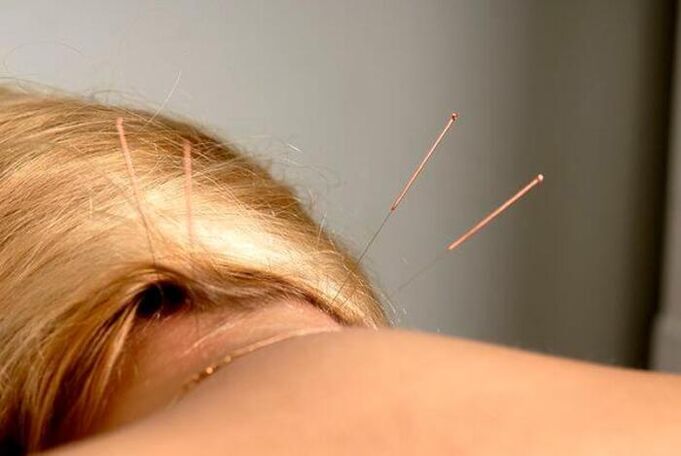
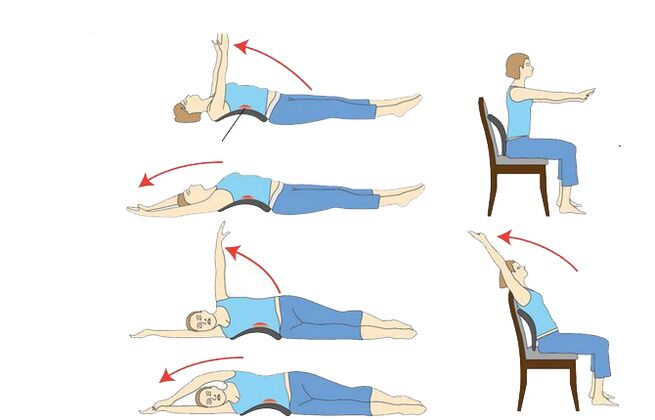
- physiotherapeutic procedures (massage, acupuncture, electrophoresis, exercise therapy, etc.).
Changing the daily routine in the treatment of spinal osteochondrosis involves reducing the intensity of physical activity, bed rest for severe pain, and avoiding sudden turns and bends.
Drugs for the treatment of osteochondrosis of the spine
They can be divided into several groups:
- muscle relaxants for pain relief, including tablets, injectable anesthetics and anti-inflammatory injections for osteochondrosis.Homeopathic medicine normalizes thyroid gland function, improves lymphatic drainage, and has anti-inflammatory, detoxifying and immunomodulatory effects.
- nonsteroidal anti-inflammatory drugs.When used in patients with osteoarthritis, there is a decrease in the development of inflammatory and destructive changes in the joints, an increase in the integrity, thickness and other characteristics of cartilage, and stimulation of bone tissue repair.
- anti-inflammatory ointment for topical application and alternative transdermal patch.Such drugs have analgesic, antirheumatic, antipyretic and anti-inflammatory effects.The mechanism of action is to reduce the production of inflammatory mediators, lower body temperature and pain.
- chondroprotector;
- means for therapeutic analgesic blockade;
- B vitamins.
Supportive treatment
Of the additional means that can be used for treatment, reduction of the general condition and improvement of the function of the spine and intervertebral discs, the most effective are:
- acupuncture;
- magnetic therapy;
- professional massage and self-massage;
- physical education courses;
- manual therapy.
Prediction, prevention
If the spinal disease does not progress and persists without serious complications, 1.5-2 months of efficient treatment can significantly improve the condition and prevent the disease from becoming chronic.In severe cases, doctors recommend surgical treatment.
Prevention of osteochondrosis of the spine includes:
- maintain a proper daily routine, with changes in body position and moderate physical activity;
- regular visits to the swimming pool;
- weight control;
- wear comfortable shoes;
- balanced diet;
- sleep on orthopedic pillows and mattresses;
- take missing nutrients or preventative homeopathic medicine to boost immunity, improve overall health, and eliminate dystonia.
It is necessary to undergo an annual medical examination and consult a doctor for immediate treatment after the appearance of any pain in the spine.
Regardless of the type of osteochondrosis we are talking about - lumbar, cervical or thoracic, attention to one's own health should be a good habit, especially when it comes to the basis of the entire musculoskeletal system - the spine.